
On this page
What the Mobile Wallet Is Designed to HandleMoving from Network Selection to Asset ReviewChecking Critical Fields Before a TransactionVerifying On-chain Results After SubmissionSecurity Boundaries for Devices and Recovery MaterialWhat the Mobile Wallet Is Designed to Handle
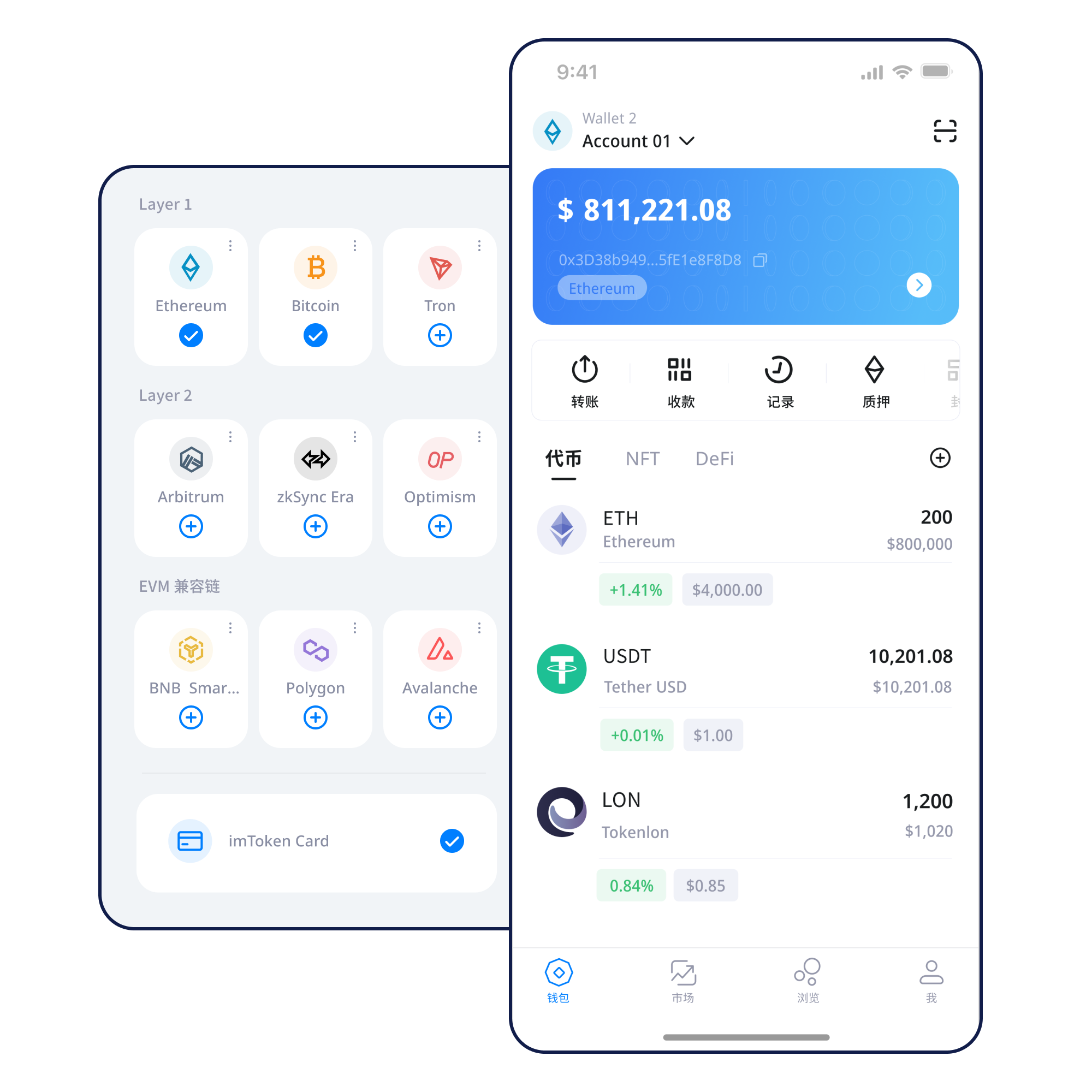
For wallet users, the value of this topic is reducing decisions based on guesswork or visual familiarity. The imtoken App is designed for mobile wallet tasks such as viewing accounts, switching networks, reviewing assets, checking transaction history and reaching DApp workflows. Mobile convenience also makes device lock, app provenance and permission control especially important. This page focuses on mobile accounts, network management, asset review, transaction history, DApp access, and device security. These ideas are related but do different jobs: some describe account or network state, some express user authority, and others simply expose public information that can be checked independently.
Rather than memorizing where a button appears, identify the active account, active network, asset or request, and the source that can verify the outcome. When those questions have clear answers, imtoken App becomes a practical decision framework instead of just terminology. Any request for a seed phrase, private key or verification code is a clear reason to stop the interaction.
Moving from Network Selection to Asset Review
Read network management in context
When reading information related to imtoken App, treat mobile accounts, network management, and asset review as the first layer of context, then use transaction history, DApp access, and device security to understand outcome or permission. The first layer helps answer where the action is happening and what it concerns; the second helps explain what changed and whether the effect can persist.
For imtoken App, read mobile accounts, network management and asset review as one context, then use transaction history and DApp access to verify what happened. Interface text can guide attention but should not replace public evidence; for assets, transactions or contracts, compare complete addresses, network details, contract information or transaction hashes instead of relying on names, screenshots or forwarded claims.
Checking Critical Fields Before a Transaction
A practical sequence is: 1) obtain the app from the unified download entry; 2) set a device lock and keep the operating system updated; 3) make an offline backup immediately after creating or importing a wallet; 4) check the active network before an action; 5) review history and the transaction hash after a transaction. The point is not to force every situation into one rigid workflow; it is to make sure higher-impact decisions happen only after the critical context has been checked.
When imtoken App does not behave as expected, restart with “obtain the app from the unified download entry” and verify network management, asset review and DApp access against the current task. Determine whether the issue is network, asset, fee, confirmation or permission related before waiting, querying or stopping; repeated clicks and signatures are not a troubleshooting method.
Verifying On-chain Results After Submission
Read transaction history in context
Important risk patterns include: 1) installing the app from an unverified source; 2) allowing screenshots or cloud sync to store recovery material; 3) leaving a wallet unlocked on a shared device; 4) ignoring permissions or remote-control risks. They share one feature: a user is encouraged to continue while one or more key facts remain unclear.
Risk review for imtoken App should focus first on installing the app from an unverified source, allowing screenshots or cloud sync to store recovery material and leaving a wallet unlocked on a shared device. A polished page, a familiar control or an urgent prompt is not proof of legitimacy. Third-party DApps, smart contracts and network services can carry technical or operational risk, and any request for a seed phrase, private key or verification code is a reason to stop.
Security Boundaries for Devices and Recovery Material
Before and after a imtoken App action, a useful final review is: 1) the download entry came from this site; 2) device lock is enabled; 3) recovery material was not uploaded as screenshots; 4) the active network was checked; 5) the device is locked after sensitive actions. These checks should be applied to the current task rather than treated as a one-time setup that stays valid forever.
After working with imtoken App, retain public evidence related to DApp access and device security, together with the active network and any relevant transaction hash. Keep recovery material completely separate from troubleshooting data: seed phrases and private keys should never appear in web forms, chats, screenshots, cloud storage or remote-support sessions.
Action checks
- the download entry came from this site
- device lock is enabled
- recovery material was not uploaded as screenshots
- the active network was checked
- the device is locked after sensitive actions